Unlock an additional 21% off your first order.
By signing up, you agree to receive marketing emails. Unsubscribe anytime. See our Privacy Policy.

Lithium orotate is a dietary supplement form of lithium, a naturally occurring mineral found in groundwater, soil, and certain foods. It delivers trace amounts of lithium without a prescription, without blood monitoring, and at doses far below anything used in psychiatry.
It is not the same as prescription lithium. It is not used to treat bipolar disorder. What it does have is a growing body of research linking low-dose lithium to long-term brain health and cognitive protection.
Science doesn't keep returning to the same ingredient unless there's something worth paying attention to. Which is why we formulated Mentaid around it. The easier thing would have been to leave it out, like everyone else had.
Lithium is a naturally occurring element found in:
On its own, pure elemental lithium is too reactive to be practical. It must be stabilized before it can be safely manufactured, stored, and consumed, so lithium is usually paired with another molecule to form a stable compound called a lithium salt.
The molecule that lithium bonds with determines the salt's stability, how easily the body absorbs it, and how much elemental lithium is delivered per dose.
Common examples include:
Lithium orotate is lithium bound to orotic acid. It is stable, bioavailable, and used as a dietary supplement to deliver very small amounts of elemental lithium.
It is available over the counter without a prescription and does not require blood monitoring or medical supervision at supplemental doses.
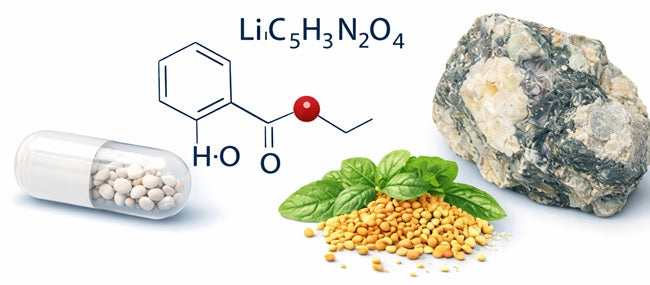
No. Certain forms of lithium are used as prescription medications, most commonly lithium carbonate and lithium citrate, at doses used to treat bipolar disorder. Those require regular blood monitoring because the margin between effective and toxic is relatively narrow at those doses.
Lithium orotate is different. It provides much smaller amounts of elemental lithium than any prescription product, does not require monitoring, and is not a treatment for any psychiatric condition.
Lithium orotate is not equivalent to prescription lithium and should not be used as a replacement for medical treatment.

To illustrate the dose difference:
Mentaid contains 5mg of lithium orotate.
Lithium orotate is approximately 3.8-4% elemental lithium by weight. That means 5mg of lithium orotate provides about 0.2mg (200 micrograms) of elemental lithium.
This is a point of frequent confusion because supplement labels are inconsistent. A product listing "5mg lithium orotate" and one listing "5mg lithium" are not the same dose, the second contains roughly 25 times more elemental lithium. Mentaid lists the compound weight.
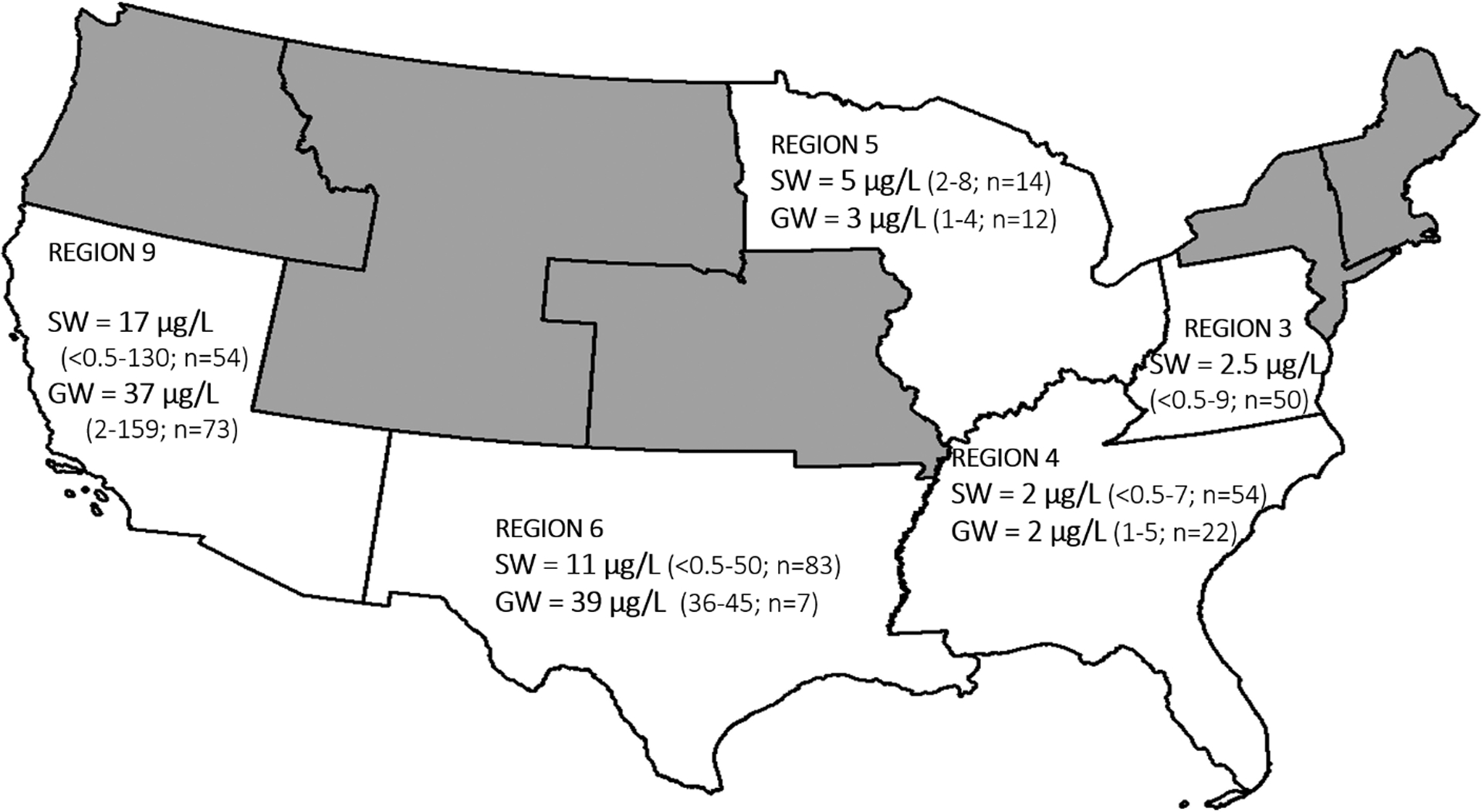
Source: Lithium occurrence in drinking water sources of the United States. 1
The research on low-dose lithium and brain health is more substantial than most people realize. Several placebo-controlled trials have examined lithium's role in cognitive protection and brain aging.
In a placebo-controlled trial, participants taking low-dose lithium maintained stable memory scores over two years while the placebo group declined. At 13-year follow-up, the lithium group scored substantially higher on overall cognition and verbal fluency. 2
Studies of Danish drinking water found lower rates of dementia in geographic areas with higher naturally occurring lithium levels. The researchers concluded that residual confounding would likely underestimate the association. 3
Lithium inhibits GSK-3, a kinase implicated in Alzheimer's pathology, and promotes production of neurotrophic factors involved in maintaining healthy neurons. These mechanisms have been replicated across multiple research groups. 4
Most of this research uses low-dose lithium carbonate or examines population-level lithium exposure. Direct placebo-controlled trials of lithium orotate specifically are limited. The research supports the role of low-dose lithium broadly; lithium orotate is the supplemental delivery form with the most documented safety record and available CNS penetration data.
How does lithium work in the brain? Read the full mechanistic breakdown.
Lithium orotate is generally considered safe at supplemental doses.
A peer-reviewed toxicology study found it has been "marketed for decades as a supplemental source of lithium with few recorded adverse events." 5
Another peer-reviewed source notes there are "no reported cases of death or serious side effects in more than 40 years of lithium orotate use in Europe and the U.S." 6
Adverse effects have not been reported for low doses in the range of 5 to 20 mg of lithium orotate. 6
Prescription lithium has a narrow therapeutic index at doses used for bipolar disorder, but that safety concern does not translate to supplemental doses. A published case report illustrates the margin: an 18-year-old intentionally took 18 lithium orotate tablets (more than 400 times Mentaid's dose) and experienced nausea and a mild tremor, with no organ damage and a blood lithium level still below the therapeutic range used in psychiatry. 7
For context, increased risk of toxicity is generally associated with elemental lithium intake above 7.5mg per kilogram of body weight. 8 For an average 70kg adult, that is roughly 525mg of elemental lithium: more than 2,600 times Mentaid's 0.2mg dose.
At supplemental doses, side effects have not been documented in published literature. The side effects associated with lithium (nausea, tremor, increased thirst, weight changes) are dose-dependent and observed at prescription doses many times higher than any supplement.
For completeness, common side effects of prescription lithium (lithium carbonate/citrate at doses used for bipolar disorder) include: 9
These have not been documented at low supplemental doses.
One additional note: most lithium orotate supplements on the market provide 5mg of elemental lithium, which requires around 120mg of lithium orotate compound to deliver. 10 Mentaid contains 5mg of lithium orotate itself, providing approximately 0.2mg of elemental lithium. Meaningfully smaller by design.

Timing is flexible. Lithium orotate does not appear to be consistently sedating or stimulating at supplemental doses, so there is no pharmacological reason to favor morning over evening. The most important factor is consistency: take it whenever it fits most naturally into your routine.
Individual responses vary. If it seems to make you feel tired, taking it in the evening may make more sense. If it seems to make you feel more alert, morning may be better. Most people notice neither effect.
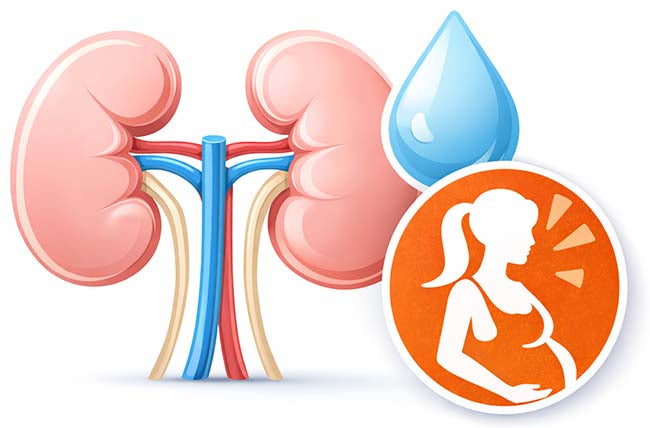
Lithium is processed by the kidneys. Consult a healthcare professional before use if you:
Mentaid is built for anyone who takes their brain aging seriously.